Crafting Love on Screen: The Art of Storytelling in Romantic Films
In the realm of cinema, storytelling is the heartbeat that brings characters and plots to life, especially in the genre of romance. As audiences, we are captivated by the magic of affection portrayed on screen, where each frame whispers love stories that tug at our heartstrings. But what goes into crafting these cinematic experiences that allow us to feel the passion between characters? The answer lies in the secrets of filmmaking, where the artistry of cinematography, screenplay, and the art of storytelling blend seamlessly.
Imagine a scene where two lovers meet for the first time amidst a bustling city—the music swells, and the camera lingers on their smiles, capturing a moment that feels so intimate yet shared with the world. This is no accident; it’s the result of meticulous planning and execution by the film production house. Whether in feature films or independent films, the nuance of human connection is emphasized through careful visual storytelling. As filmmakers, they weave narratives that resonate with common experiences, making us ask, 'What makes love so universally stirring?',''The beauty of romantic comedies and drama films lies in their ability to evoke laughter, tears, and everything in between. Did you know that a well-executed screenplay is the backbone of any successful love story? These scripts not only set the stage for character development but they also explore themes of vulnerability and connection that keep us engaged. In the entertainment industry, where more films are produced than ever, it’s fascinating to see how movie making evolves to reflect contemporary ideas about romance and intimacy.
Moreover, the role of cinematography can never be overstated when it comes to capturing the essence of affection. For example, the way light filters through a window can transform a simple moment into something profoundly romantic. These visual choices are essential during the theatrical release of a film, where audiences are not just watching a story unfold—they are experiencing the highs and lows of love as if they were living it themselves. Have you ever found yourself wiping away tears during a pivotal scene? That’s the power of film services in eliciting an emotional response through expertly crafted visuals and sound design.
As we delve deeper into the film community, it’s important to recognize that every romantic tale told is a collaborative effort, encompassing writers, directors, cinematographers, and actors. Independent films often take creative risks that challenge traditional narratives around romance, showing us that love can be messy, imperfect, and wonderfully authentic. So next time you snuggle up for a movie night, consider this: Are the love stories on screen reflecting our own? In that case, how do we create our own cinematic romance in the lives we lead? From the simple gestures of affection to the passionate encounters, we all have the potential to script our own love stories.
From Script to Screen: The Passionate Journey of Love Stories in Film
Imagine the soft glow of a cinema screen illuminating a packed room, the audience collectively holding their breath as two characters share a moment that tugs at the heartstrings. This is the magic of storytelling in romantic films—an art that weaves affection, passion, and the bittersweet threads of love into the very fabric of our cinematic experience. From small independent films with limited budgets to grand feature films backed by major film studios, the journey of crafting love stories is a captivating odyssey worth exploring.
The journey from script to screen is a passionate one, often filled with late-night brainstorming sessions, countless revisions of screenplays, and, of course, the indelible spark of creativity that ignites a love story into existence. It starts with the screenplay—a sacred document where characters first feel their pining for one another, where witty dialogue frames romantic comedies, and heart-wrenching moments find their way into drama films. But how does it evolve from words on a page to visuals that overflow with emotion?
As these scripts make their way into the hands of talented filmmakers, they undergo a transformative metamorphosis. Cinematography plays a crucial role here; it’s where visual storytelling comes to life. Imagine the passionate kiss shot at golden hour, with the sun setting behind the lovers, or an intimate exchange captured with tight close-ups, revealing the subtle emotions flickering across their faces. The decisions made during film production—from lighting choices to camera angles—will dictate the audience's experience, keeping them enraptured with every frame.
But creating love stories on screen extends beyond mere visuals; it requires a deeper understanding of the complexities of human connections. In our digital age, independent film creators step onto the scene with fresh perspectives, often uncovering raw portrayals of romance that leave audiences resonating strongly with their own experiences. It’s in these films where we find vulnerability, where the passion becomes palpable, and we can see our love stories reflected back to us, raw and unfiltered. And let's not forget how film distribution and exhibition play vital roles in ensuring these heartfelt tales reach the right audience, allowing each narrative to find its place in the vast entertainment industry.
Ultimately, the adventure of crafting love stories in films is a deeply communal experience. Picture yourself in a film community that thrives on collaboration, where talented filmmakers unite to share their passion for storytelling. As they work, they celebrate the ups and downs of movie making—the moments when the magic happens, and perhaps when it all feels a little too overwhelming. But in the end, every film, whether a short film or a grand romantic comedy, is an invitation for viewers to laugh, cry, and revel in the beauty of love. So when you sit down to watch a film, remember: it’s more than just entertainment; it’s an exploration of the human heart through the lens of those who dare to dream about love.
From script to screen, the journey of love stories in film is an evocative process that crafts not only cinematic magic but also a shared cultural experience. So the next time you watch a romantic film, consider the intricate craftsmanship behind it—the filmmakers' efforts to capture the essence of love through their stories. It’s an art that deserves appreciation, as it continues to inspire, connect, and entertain audiences of all ages. And with every new release, we eagerly await the next tale that will remind us of passion, intimacy, and the timeless nature of love.
Beyond the Frames: Exploring Visual Storytelling in Romantic Comedies and Dramas
In the realm of romantic films, the oil that makes the machinery of storytelling run smoothly is visual storytelling. It’s fascinating how a simple glance or a perfectly timed kiss can convey more affection than a hundred words. The magic of romance unfolds not merely through the screenplay but through the intricate weaving of cinematography that captures passion in its rawest form. What is it about these visual cues that elevate our cinematic experience, turning ordinary tales into extraordinary love stories? Let's delve deeper into the heart of romantic comedies and drama films, exploring how filmmaking and artistry intertwine to create lasting impressions on our hearts.
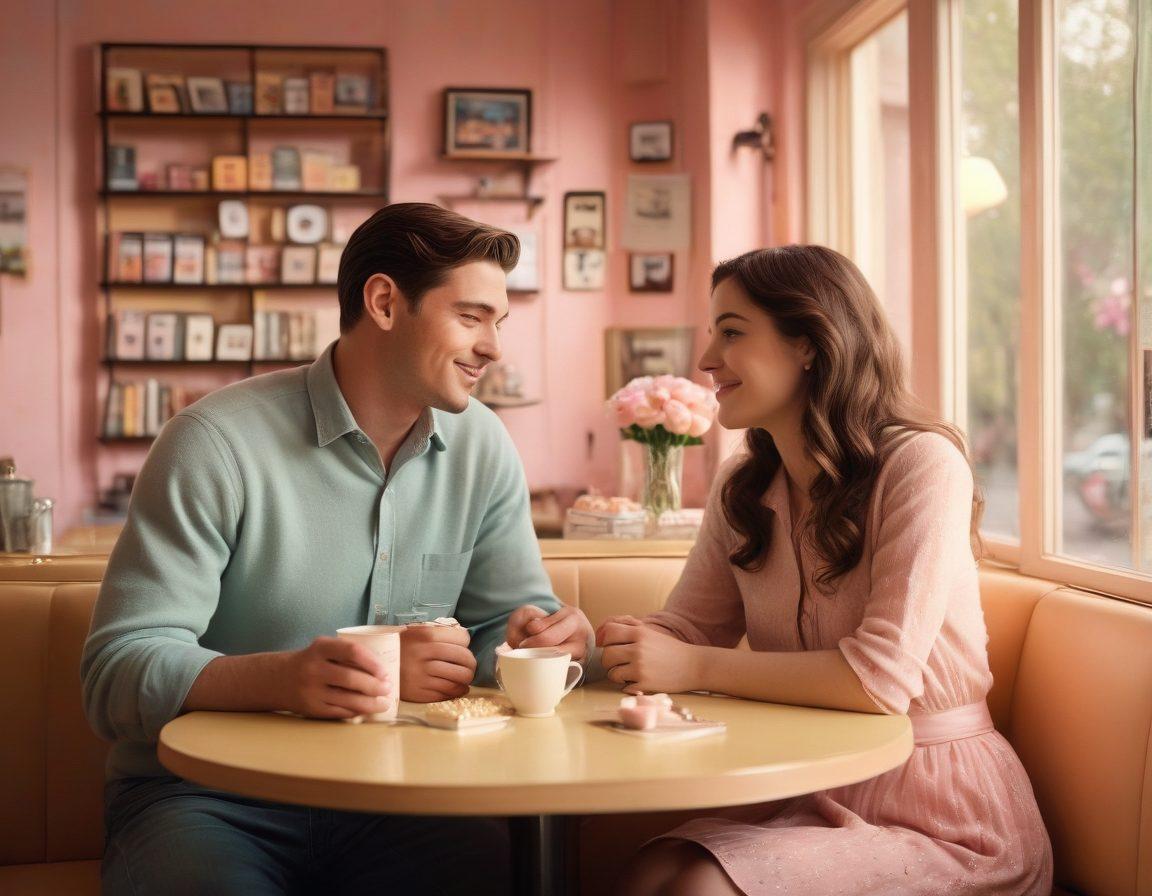
Imagine this: a bustling coffee shop, a subtle glance exchanged over steaming cups, and suddenly you’re infused with a sense of romance even before a word is spoken. This power lies beyond the frames of the film. Each scene that a film production house creates has layers of visual storytelling, meticulously designed to evoke emotions. Cinematographers, lighting artists, and filmmakers collaborate in this dance of aesthetics to design environments that resonate with the love stories unfolding on-screen. Whether it is an independent film or a feature film, the essence of romance often lies in these visual subtleties, making the audience feel as if they are part of the unfolding drama on screen.
Romantic comedies often play with humor and quirky visuals to amplify the emotional highs and lows between characters. The delightful twist of a comedic fall or a charming mishap can encapsulate the moments of connection that ignite passion. These scenes, crafted with care, allow the viewer to ride the emotional rollercoaster alongside the protagonists. Reflecting on a beloved film that incites laughter and tears, we cannot help but ask, how much of our love lives reflect the cinematic moments we see? When we watch these films, do we find ourselves hoping for the same serendipitous encounters?
In films released in a theatrical release or through movie distribution, the visual storytelling becomes a language of its own. The strategic use of colors, shadows, and light frames our emotional response to the romance portrayed on screen. Romantic dramas wield emotion powerfully and aim to transport audiences into contours of heartfelt narratives—moments where love flourishes or heartbreak lingers. The storytelling found in drama films connects us on a deeper level, often reminding us of our shared human experience. How does the way we perceive these love stories shape our understanding of romance itself?
The entertainment industry thrives on the stories we tell through movies, and the film community thrives on the creation and sharing of these tales. In watching a romantic film, we don't just observe; we immerse ourselves in a collective exploration of love—its joys, heartbreaks, and the indelible experiences that bind us. It's not just about the story; it's about the lenses through which we view this intricate tapestry of human connection. As we celebrate the movie arts and the storytellers behind the scenes, we recognize that visual storytelling is an evocative tool, enhancing our appreciation of affection and romance that continues to resonate long after the credits roll. In your own love story, how are you incorporating elements of visual storytelling to craft moments that linger?